
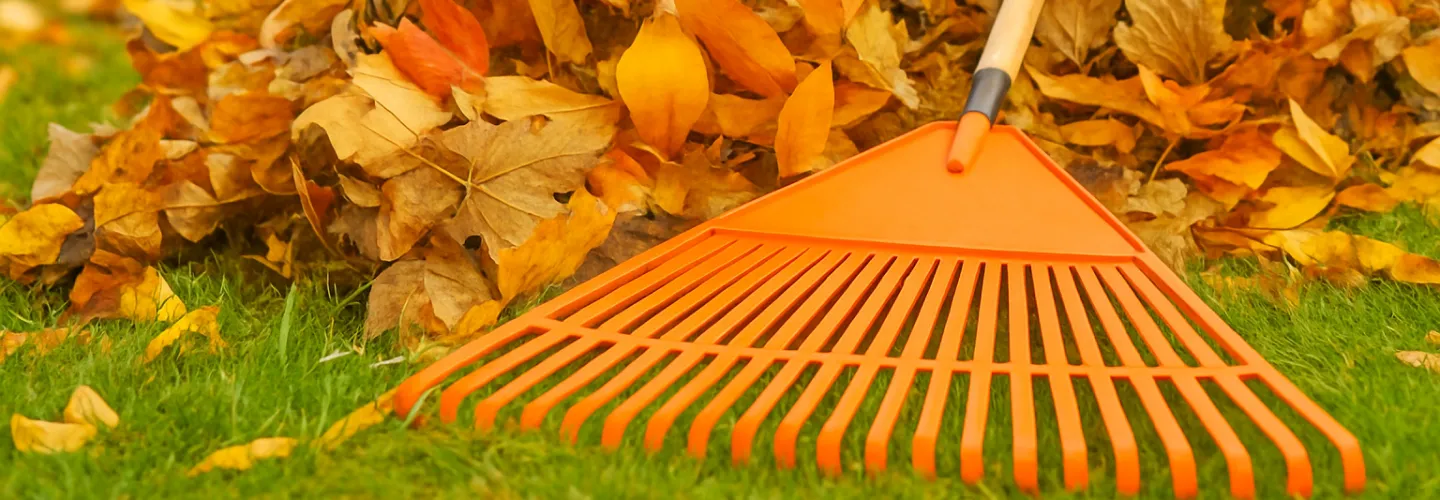
Pelican Preserve Lawn Mowing Services
Choose our lawn mowing services for reliable, professional care that keeps your yard looking pristine all year round. Our experienced team uses top-quality equipment and attention to detail to ensure your lawn is healthy, beautiful, and the envy of the neighborhood.
Get a Free QuoteOur Pelican Preserve Landscaping & Yard Care Services
When to Schedule Lawn Mowing in Pelican Preserve, Florida – Seasonal Guide
In Pelican Preserve, Florida, the timing of your lawn mowing routine is crucial for maintaining a healthy, vibrant yard. The region’s subtropical climate means that grass grows vigorously from late spring through early fall, with peak growth typically occurring between April and October. Homeowners in neighborhoods like Avila and Materita should pay close attention to seasonal rainfall patterns and humidity, as these can accelerate turf growth and influence mowing frequency.
Local environmental factors such as the proximity to wetland preserves, variable shade coverage from mature oaks, and sandy soil composition all play a role in determining the best mowing schedule. For example, areas near the Town Center or along Pelican Preserve Boulevard may experience different microclimates, affecting how often lawns need attention. It’s also important to consider the last frost date—usually in early February—and the risk of summer droughts, which can impact grass health. For more information on local regulations and best practices, visit the official Sudbury municipal site.
Local Factors to Consider for Lawn Mowing in Pelican Preserve
- Tree density and shade coverage, especially in neighborhoods like Siena and Casella
- Soil type (sandy vs. loamy) and drainage characteristics
- Seasonal precipitation and humidity levels
- Proximity to wetlands or water features
- Municipal restrictions or community association guidelines
- Terrain variations, such as sloped lawns or low-lying areas prone to pooling
Benefits of Lawn Mowing in Pelican Preserve

Consistent Curb Appeal
Healthier Grass Growth
Weed and Pest Reduction
Time-Saving Service
Professional Equipment Use
Reliable Scheduling
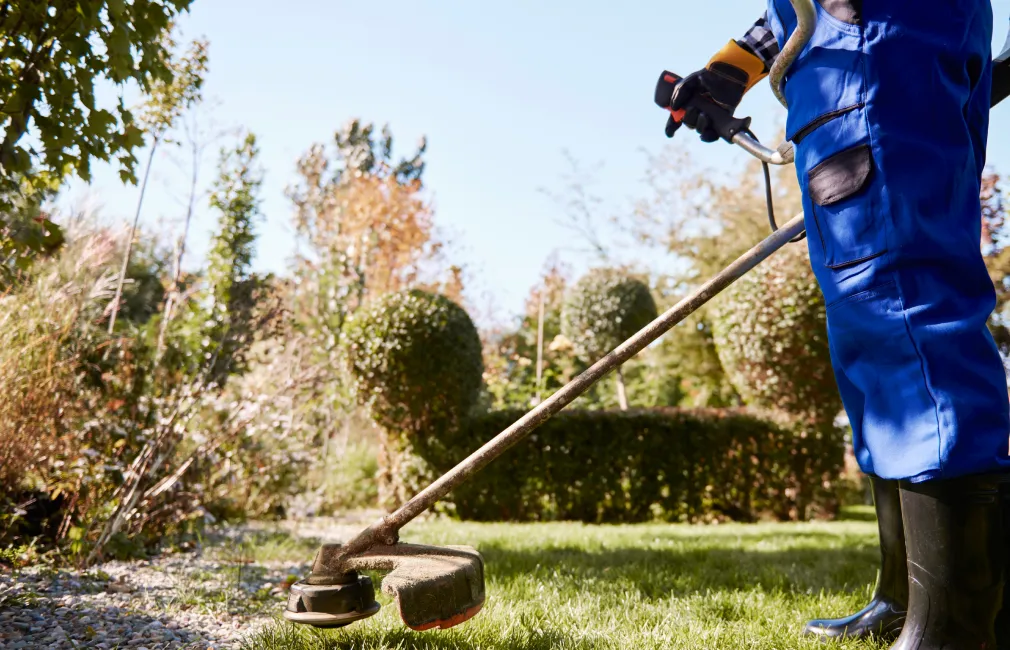
Pelican Preserve Lawn Mowing Types

Standard Lawn Mowing
-
Mulching Mower Service
-
Bagging Mower Service
-
Reel Mower Service
-
Edging and Trimming
-
Seasonal Mowing Adjustments
-
Eco-Friendly Electric Mowing
Our Lawn Mowing Process
Site Evaluation
Equipment Preparation
Mowing Execution
Edging and Trimming
Cleanup
Why Choose Pelican Preserve Landscape Services

-
Pelican Preserve Homeowners Trust Us
-
Expert Lawn Maintenance
-
Reliable Irrigation Solutions
-
Comprehensive Weed Control
-
Competitive Pricing
-
Professional Team
-
Personalized Service
Pelican Preserve's Sandy Entisol Soils and Proper Mowing Height for St. Augustinegrass
Pelican Preserve sits within USDA Hardiness Zone 10a, where warm-season turfgrasses grow year-round in Lee County's subtropical climate. The community's soils are predominantly Immokalee fine sand and Oldsmar fine sand—Spodosol and Entisol series characterized by rapid drainage, low organic matter, and acidic pH ranging from 4.5 to 6.0. These sandy flatwoods soils retain minimal moisture, making mowing height a critical factor in turf health. St. Augustinegrass (Stenotaphrum secundatum), the dominant turf species throughout Pelican Preserve, should be maintained at 3.5 to 4 inches to promote deeper root development and shade the soil surface, reducing moisture evaporation. Bahiagrass (Paspalum notatum) lawns perform best at 3 to 4 inches. Cutting more than one-third of the blade length in a single mowing session stresses turf and increases vulnerability to chinch bugs and large patch fungus. Residents can confirm soil series for their specific lot through the USDA Web Soil Survey and consult UF/IFAS Extension for cultivar-specific mowing recommendations suited to southwest Florida conditions.
Year-Round Mowing Frequency and Seasonal Timing in Pelican Preserve's Subtropical Climate
Unlike northern climates with dormant winters, Pelican Preserve's warm-season grasses require mowing throughout the calendar year, though frequency varies significantly by season. The National Weather Service Tampa Bay office monitors conditions affecting the Fort Myers metro area, and local weather patterns directly influence mowing schedules:
- Peak growing season (May–September): Mow every 5–7 days; daily temperatures averaging 88–92°F combined with 7–9 inches of monthly rainfall drive rapid growth
- Transitional months (March–April, October–November): Mow every 10–14 days as growth rates moderate
- Cool season (December–February): Mow every 3–4 weeks; growth slows significantly when nighttime temperatures drop below 60°F
- Rainy season precaution: Avoid mowing saturated turf to prevent soil compaction and rut formation in Pelican Preserve's sandy soils
Mowing during early morning hours (before 10:00 AM) or late afternoon (after 4:00 PM) reduces heat stress on both turf and operators. Wet-season mowing should occur during dry windows, as clippings clump on moist grass and smother underlying turf. Blade sharpening every 20–25 operating hours ensures clean cuts that resist fungal entry points, particularly during the humid June–September period when large patch disease (Rhizoctonia solani) pressure peaks.
Protecting Pelican Preserve's Stormwater System and Nearby Wetland Buffers During Mowing Operations
Pelican Preserve contains an extensive network of retention ponds, drainage swales, and constructed wetlands that function as part of Lee County's MS4 stormwater management system. Grass clippings, fertilizer residue, and sediment discharged into storm drains violate provisions of the Clean Water Act and the Florida Environmental Protection Act. Professional mowing operators must implement specific practices to prevent pollutant discharge:
- Direct mower discharge chutes away from retention ponds, storm inlets, and drainage swales
- Maintain a 25-foot no-mow buffer zone along wetland edges and littoral shelf plantings
- Blow or sweep clippings off sidewalks, driveways, and roadways back onto turf—never into gutters or storm drains
- Avoid mowing within 50 feet of water bodies when applying any fertilizer or herbicide treatment
Lee County enforces fertilizer blackout periods from June 1 through September 30, during which nitrogen and phosphorus applications are prohibited. Mowing crews should be aware that clipping accumulation near waterways contributes nutrient loading equivalent to unauthorized fertilization.
Lee County Natural Resources
2115 Second Street, Fort Myers, FL 33901
Phone: (239) 533-2111
Official Website: Lee County Natural Resources
Operators should also coordinate with EPA Region 4 and the Florida Department of Environmental Protection for guidance on MS4 compliance obligations affecting landscape maintenance activities near sensitive water resources.
Equipment Noise Standards and Permitted Operating Hours for Lawn Mowing in Pelican Preserve
Pelican Preserve is an age-restricted residential community governed by a homeowners association within unincorporated Lee County. Lee County's noise ordinance (Ordinance 08-17) establishes enforceable limits on commercial lawn equipment operation. Permitted mowing hours are:
- Monday–Friday: 7:00 AM – 9:00 PM
- Saturday: 8:00 AM – 9:00 PM
- Sunday and holidays: 9:00 AM – 9:00 PM
However, Pelican Preserve's HOA covenants typically impose stricter windows—commonly 8:00 AM to 5:00 PM Monday through Saturday, with Sunday mowing prohibited. Residents and contractors should verify current community-specific restrictions through the Pelican Preserve Property Owners Association before scheduling service. Commercial mowers must not exceed 85 decibels at the property line. All operators should wear ANSI Z87.1 rated safety glasses, hearing protection rated for 85+ dB exposure, closed-toe footwear with non-slip soles, and high-visibility vests when working near community roadways. Equipment mufflers must remain in factory-specified working condition, and blade engagement should occur only after the mower is positioned on the turf area to minimize noise impact on adjacent residences.
Fort Myers Police Department
2210 Widman Way, Fort Myers, FL 33901
Phone: (239) 321-7700
Official Website: Fort Myers Police Department
Coordinating Grass Clipping Disposal with Lee County Solid Waste Programs
Lee County manages residential yard waste collection through its Solid Waste Division, which serves unincorporated areas including Pelican Preserve. Grass clippings and lawn debris must be handled according to county disposal guidelines:
- Curbside collection: Yard waste pickup occurs on the regularly scheduled collection day for each route; clippings must be placed in biodegradable paper bags or reusable containers not exceeding 50 pounds
- Prohibited materials: Plastic bags, treated lumber, and soil/sod are not accepted in yard waste collection
- Mulching alternative: Returning finely mulched clippings to the lawn eliminates disposal needs and returns approximately 2 pounds of nitrogen per 1,000 square feet annually to sandy soils
- Self-haul option: Lee County Waste-to-Energy Facility and transfer stations accept yard waste; verify current hours and tipping fees through Lee County Solid Waste
Mulching mowers equipped with specialized blades that cut clippings to 1-inch or smaller fragments are strongly recommended for Pelican Preserve's St. Augustinegrass lawns. This practice reduces thatch buildup, conserves soil moisture in fast-draining Immokalee fine sand, and eliminates the need for bagging and curbside disposal entirely.
Gateway Services Community Development District Public Works
13240 Griffin Drive, Fort Myers, FL 33913
Phone: (239) 561-1313
Official Website: Gateway Services Community Development District Public Works
What Streets and Subdivisions Do We Serve Throughout Pelican Preserve, FL?
- Pelican Preserve Boulevard and Surrounding Single-Family Homes: The main corridor through the community features mature royal palm and live oak canopy requiring careful mowing around exposed root systems in Immokalee fine sand soils with shallow water tables typically at 18–30 inches depth.
- The Colony at Pelican Preserve: This villa and coach-home section features compact lot sizes with shared turf areas and ornamental landscape beds, requiring precision trimming along hardscape edges and coordination with HOA-maintained common areas.
- Osprey Cove: Located near the community's southern retention ponds, properties in this subdivision require strict adherence to 25-foot wetland buffer mowing restrictions and careful discharge management to protect littoral plantings along pond margins.
- Plantation Road Corridor: Homes along this interior road feature larger lot sizes with bahiagrass and St. Augustinegrass mixed turf, demanding dual mowing height settings and more frequent service during the May–September peak growing season.
- The Links and Golf Course-Adjacent Properties: Properties bordering the Pelican Preserve golf course require coordinated mowing schedules to maintain consistent turf height transitions and prevent cross-contamination of herbicide-treated fairway grasses into residential lawns.