
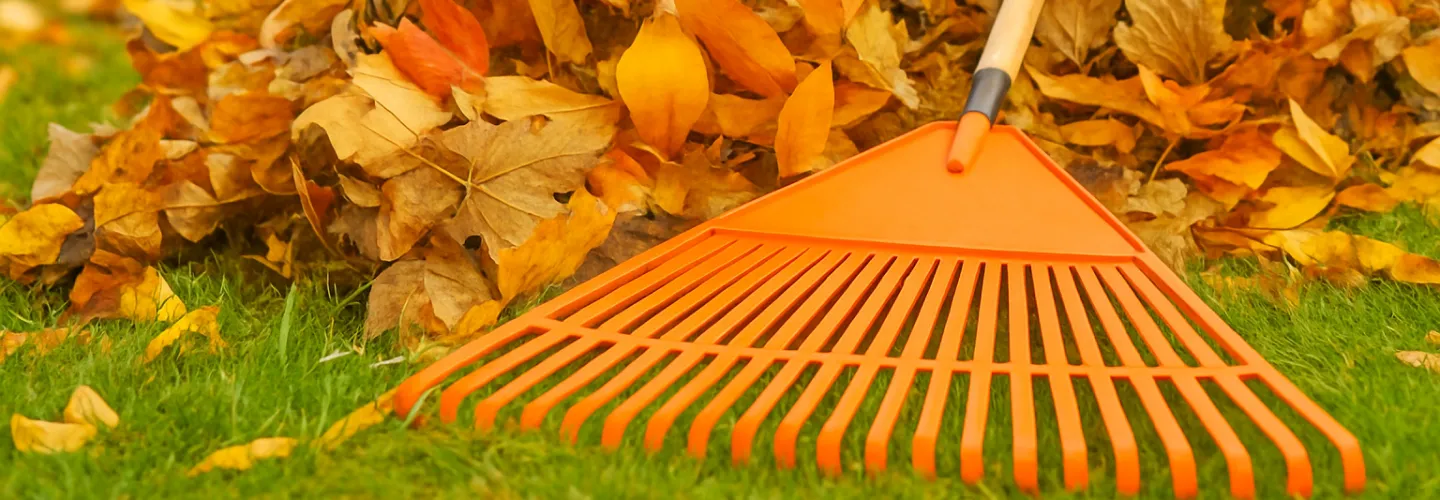
Pelican Preserve Green Waste Disposal Services
Choose our Green Waste Disposal service for reliable, environmentally responsible removal that keeps your property pristine and supports a healthier planet.
Get a Free QuoteOur Pelican Preserve Landscaping & Yard Care Services
When to Schedule Green Waste Disposal in Pelican Preserve, Florida – Seasonal Guide
In Pelican Preserve, Florida, the timing of green waste disposal is closely tied to our unique subtropical climate and the specific needs of local landscapes. The best periods for scheduling green waste removal are typically late winter through early spring and again in late summer, just before the peak of hurricane season. These windows align with the region’s growth cycles and help homeowners in neighborhoods like The Plaza and The Town Center maintain healthy, attractive yards while minimizing the risk of storm debris accumulation.
Local environmental factors play a significant role in determining the optimal schedule. For example, the area’s sandy soils drain quickly but can dry out during drought-prone months, making it important to clear green waste before the dry season sets in. Humidity levels and shade coverage from mature oaks and palms, especially near the Pelican Preserve Golf Club, can also influence how quickly organic debris decomposes. Additionally, being aware of the last frost date and municipal guidelines—such as those found on the Sudbury town website—ensures compliance and environmental responsibility.
Local Factors to Consider for Green Waste Disposal in Pelican Preserve
- Tree density and types (e.g., palms, oaks, pines)
- Proximity to water features and golf courses
- Seasonal precipitation and hurricane risk
- Municipal collection schedules and restrictions
- Soil drainage and drought risk
- Shade coverage and microclimates
- Neighborhood-specific landscaping guidelines
Benefits of Green Waste Disposal in Pelican Preserve
Eco-Friendly Landscaping Solutions
Efficient Green Waste Removal
Promotes Healthy Lawn Growth
Reduces Landfill Waste
Enhances Curb Appeal
Supports Sustainable Practices
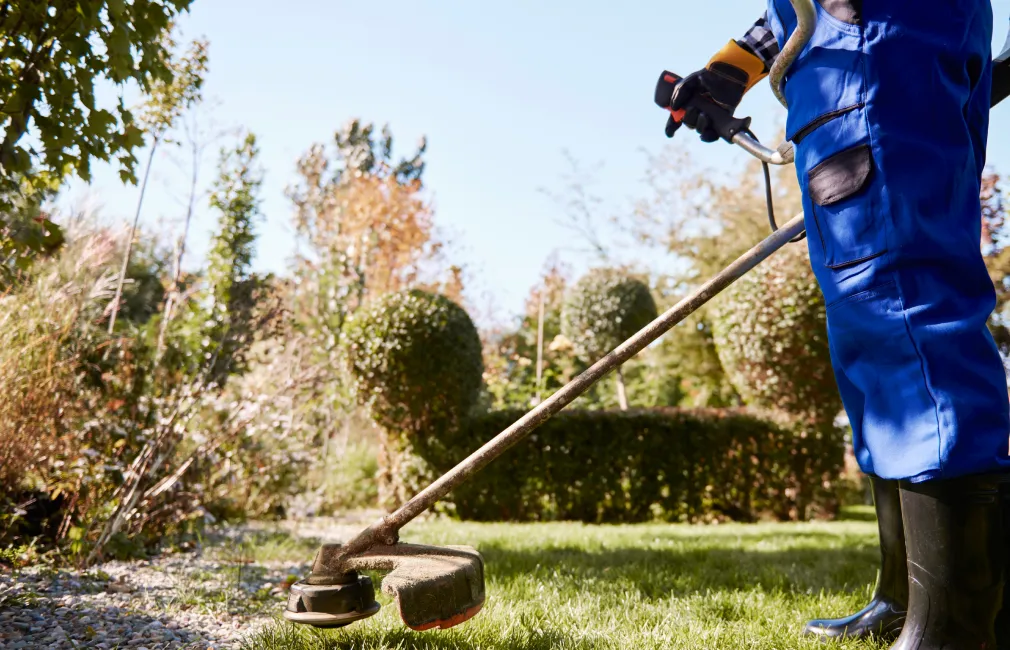
Pelican Preserve Green Waste Disposal Types

Grass Clippings
-
Tree Branches
-
Shrub Trimmings
-
Leaves Collection
-
Palm Fronds
-
Garden Debris
-
Mulch Recycling
Our Green Waste Disposal Process
Collection of Green Waste
Sorting and Separation
Transport to Disposal Facility
Eco-Friendly Processing
Why Choose Pelican Preserve Landscape Services
-
Pelican Preserve Homeowners Trust Us
-
Expert Lawn Maintenance
-
Reliable Irrigation Solutions
-
Comprehensive Weed Control
-
Competitive Pricing
-
Professional Team
-
Personalized Service
Coordinating Green Waste Disposal Through Lee County's Solid Waste Programs Serving Pelican Preserve
Pelican Preserve, an age-restricted community within unincorporated Lee County, falls under county-level solid waste management jurisdiction for green waste disposal. Lee County Solid Waste Division operates the Lee County Resource Recovery Facility and multiple transfer stations that accept yard waste from Pelican Preserve residents. Accepted materials include grass clippings, leaves, palm fronds, tree branches under 4 inches in diameter, and shrub trimmings. Residents must bundle branches in lengths not exceeding 4 feet and weighing no more than 50 pounds per bundle. Loose yard waste should be placed in containers no larger than 32 gallons or in biodegradable bags. Curbside collection typically occurs on a weekly schedule, though residents should verify their specific pickup day through their contracted hauler. Plastic bags are prohibited for yard waste disposal, as they contaminate composting operations at county processing facilities.
Lee County Solid Waste Division
1500 Monroe Street, Fort Myers, FL 33901
Phone: (239) 533-8000
Official Website: Lee County Solid Waste Division
Pelican Preserve's Sandy Entisol Soils and Green Waste Decomposition Challenges
The soils underlying Pelican Preserve consist predominantly of sandy Entisols characteristic of southwest Florida's coastal plain, including Immokalee fine sand and Oldsmar fine sand series. These soils feature a pH range of 4.5–6.5, excessively rapid drainage, and very low organic matter content—typically below 1%. These conditions directly affect green waste management because organic debris left on sandy soils decomposes slowly without adequate moisture retention. Residents generating yard waste from St. Augustinegrass (Stenotaphrum secundatum) turf, sabal palms (Sabal palmetto), and live oaks (Quercus virginiana) should avoid stockpiling clippings or fronds on-site for extended periods, as decomposing material can attract pests and create fire hazards during dry season months from November through May. Soil characteristics can be verified through the USDA Web Soil Survey for site-specific analysis. The UF/IFAS Extension Lee County office provides guidance on composting techniques suited to these sandy, acidic conditions, including recommendations for maintaining compost moisture at 40–60% and incorporating nitrogen-rich green material at a 25:1 carbon-to-nitrogen ratio.
Protecting Pelican Preserve's Stormwater Infrastructure and Wetland Buffers During Disposal
Green waste disposal in Pelican Preserve requires strict compliance with stormwater management regulations to protect the community's interconnected lake and canal system. Under the Clean Water Act and Lee County's MS4 permit administered through the Florida Department of Environmental Protection, yard debris must not enter storm drains, retention ponds, or drainage swales. Key environmental compliance requirements include:
- Maintain a minimum 25-foot no-disturbance buffer from wetland edges and littoral shelf plantings
- Never deposit grass clippings, leaves, or palm fronds into stormwater conveyance structures
- Keep green waste staging areas at least 50 feet from lake shorelines to prevent nutrient loading
- Avoid blowing or raking debris toward catch basins or curb inlets
Excess phosphorus and nitrogen from decomposing yard waste contribute to algal blooms in Pelican Preserve's managed lakes and downstream waterways feeding the Caloosahatchee River. EPA Region 4 oversees federal water quality enforcement in this watershed.
Lee County Natural Resources
1500 Monroe Street, Fort Myers, FL 33901
Phone: (239) 533-8000
Official Website: Lee County Natural Resources
Hurricane Season Debris Management Protocols for Pelican Preserve Residents
Pelican Preserve lies within USDA Hardiness Zone 10a and is subject to the Atlantic hurricane season from June 1 through November 30, as monitored by the National Weather Service Miami office. Tropical storms and hurricanes generate substantial volumes of green waste—downed palm fronds, broken branches, uprooted shrubs, and scattered leaf litter—that require specialized disposal coordination. Following a declared storm event, Lee County typically activates emergency debris collection routes with the following protocols:
- Separate vegetative debris from construction materials and household waste at the curb
- Stack branches parallel to the roadway, with cut ends facing the street
- Do not place debris within 10 feet of fire hydrants, mailboxes, or utility structures
- Do not mix green waste with hazardous materials, appliances, or electronics
- Debris piles should not exceed 6 feet in height or block sidewalks and drainage structures
Pre-storm preparation should include pruning dead fronds from palms to a minimum 2-foot clearance from structures and removing loose organic material that could become projectiles. The Florida Forest Service provides county foresters who can assess storm-damaged trees for safe removal requirements.
Florida Forest Service – Find a County Forester
Phone: (850) 681-5800
Official Website: Florida Forest Service County Foresters
Navigating Pelican Preserve's HOA Standards and Lee County Codes for Yard Waste Placement
As a deed-restricted community, Pelican Preserve enforces homeowner association standards that supplement Lee County's municipal codes regarding green waste storage and curbside placement. Residents must adhere to both regulatory layers when disposing of yard debris. Lee County ordinances prohibit placing yard waste at the curb more than 24 hours before the scheduled collection day. The community's HOA guidelines typically impose additional restrictions:
- Green waste containers must not remain visible from the street outside of collection windows
- Debris piles at the curb must be neat, consolidated, and not encroaching on neighboring properties
- Palm frond bundles should be tied with biodegradable twine, not wire or plastic straps
- No burning of yard waste is permitted within the community under Lee County fire prevention codes
Violations of county solid waste ordinances may result in fines, while HOA infractions can trigger compliance notices and assessment penalties. The Gateway Services Community Development District oversees infrastructure maintenance within the broader area and can address questions about public works coordination.
Gateway Services Community Development District Public Works
13240 Griffin Drive, Fort Myers, FL 33913
Phone: (239) 561-1313
Official Website: Gateway Services CDD Public Works
What Streets and Subdivisions Do We Serve Throughout Pelican Preserve, FL?
- Pelican Preserve Boulevard and The Colony: The main corridor and adjacent single-family homes feature mature live oak canopies and sabal palm plantings that generate significant frond and leaf litter year-round, requiring consistent weekly disposal coordination on sandy, poorly drained flatwoods soils.
- The Links at Pelican Preserve: This golf course-adjacent subdivision produces substantial turf clippings from St. Augustinegrass lawns and ornamental hedge trimmings, with green waste staging areas requiring setbacks from adjacent retention ponds and littoral zones.
- Osprey Cove: Homes along this area near community lakes sit on Immokalee fine sand with seasonal high water tables at 6–18 inches, necessitating careful debris placement away from swale drainage structures and shoreline buffers.
- Plantation Road Corridor: Properties along this access route feature dense tropical landscaping including bougainvillea, hibiscus, and coconut palms, generating mixed green waste that must be separated from non-vegetative materials before curbside collection.
- The Preserve at Pelican Preserve: This section borders conservation wetland areas where a strict 25-foot vegetative buffer must be maintained, and green waste must never be deposited into or adjacent to protected natural areas governed under the Florida Environmental Protection Act.