
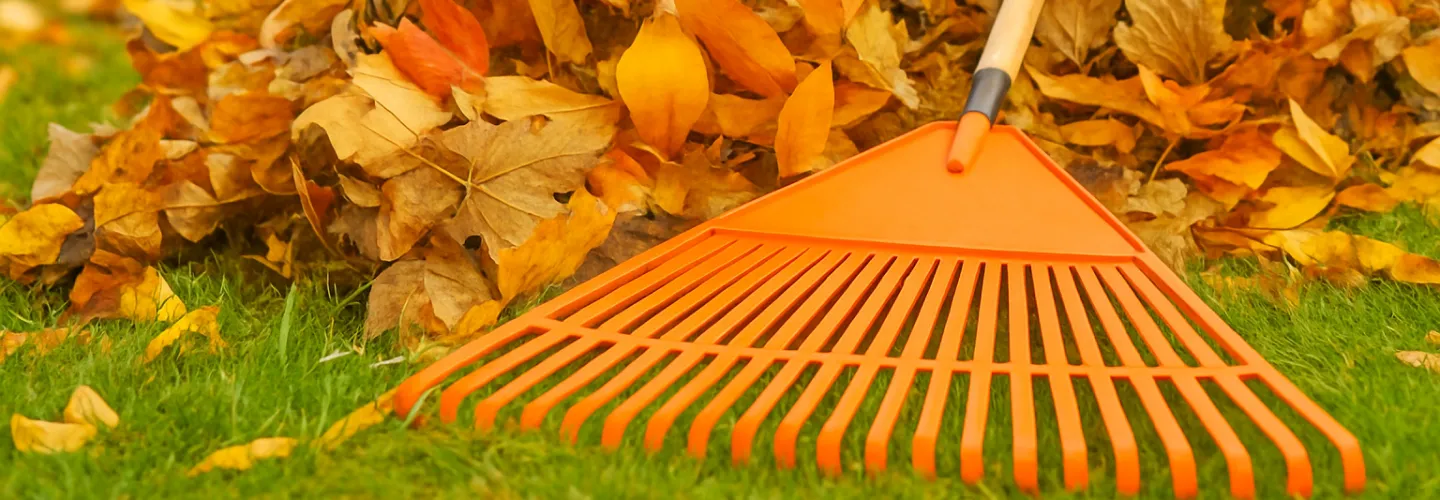
Pelican Preserve Leaf Removal Services
Choose our expert leaf removal for a spotless yard, hassle-free service, and a healthier landscape all season long.
Get a Free QuoteOur Pelican Preserve Landscaping & Yard Care Services
When to Schedule Leaf Removal in Pelican Preserve, Florida – Seasonal Guide
In Pelican Preserve, Florida, the timing of leaf removal is best determined by the unique climate and landscape features of our community. Unlike northern regions, Pelican Preserve experiences mild winters and a subtropical climate, which means leaf drop can occur at different times depending on the tree species and recent weather patterns. Typically, the optimal periods for leaf removal are late fall through early winter, after the majority of deciduous trees—such as those lining Pelican Preserve Boulevard and the neighborhoods near the Town Center—have shed their leaves. However, periodic cleanups in spring may also be necessary due to the extended growing season and the presence of evergreen species.
Local environmental factors play a significant role in scheduling leaf removal. For example, the area’s high humidity and frequent rainfall can accelerate leaf decomposition, potentially leading to mold or slippery walkways if leaves are left unattended. Additionally, shaded lots near the golf course or along Cypress Grove Drive may retain moisture longer, increasing the risk of turf damage. Homeowners should also consider the region’s sandy soil, which drains quickly but can be prone to erosion if leaf litter is not managed properly. For more information on local environmental guidelines, visit the Sudbury municipal resource.
Local Factors to Consider for Leaf Removal in Pelican Preserve
- Tree density and species diversity in your yard
- Proximity to water features or shaded areas
- Seasonal precipitation and humidity levels
- Soil type and drainage characteristics
- Municipal restrictions or HOA guidelines
- Accessibility of landscaping equipment on varied terrain
Benefits of Leaf Removal in Pelican Preserve

Enhanced Curb Appeal
Healthier Lawns and Gardens
Prevention of Pest Infestations
Improved Drainage and Soil Quality
Time and Effort Savings
Professional and Reliable Service
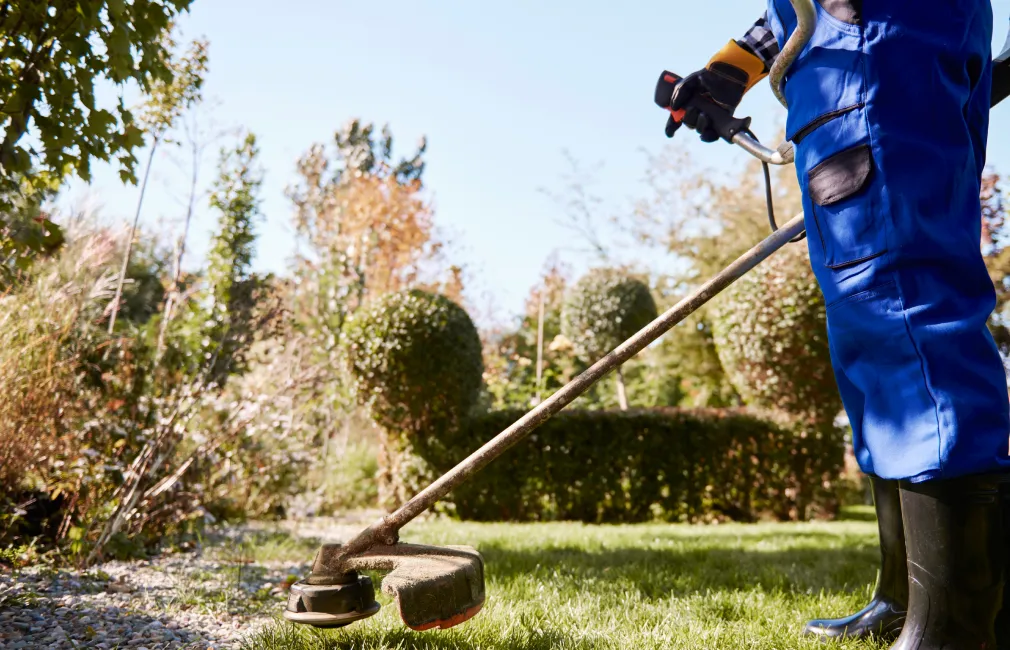
Pelican Preserve Leaf Removal Types

Seasonal Leaf Cleanup
-
Curbside Leaf Collection
-
Lawn Vacuuming Services
-
Garden Bed Leaf Removal
-
Gutter Leaf Clearing
-
Mulching Leaf Disposal
-
Full Property Leaf Clearing
Our Leaf Removal Process
Site Evaluation
Leaf Gathering
Collection and Removal
Final Inspection
Why Choose Pelican Preserve Landscape Services

-
Pelican Preserve Homeowners Trust Us
-
Expert Lawn Maintenance
-
Reliable Irrigation Solutions
-
Comprehensive Weed Control
-
Competitive Pricing
-
Professional Team
-
Personalized Service
Pelican Preserve's Sandy Entisol Soils and Leaf Decomposition Challenges in Southwest Florida
Pelican Preserve sits within Lee County on predominantly sandy Entisol and Spodosol soils characteristic of Florida's coastal flatwoods, with pH levels typically ranging from 4.5 to 6.5 and excessively drained profiles that present distinct challenges for leaf management. Unlike clay-based soils in northern states, these sandy substrates allow leaf debris to migrate rapidly during rain events, washing organic material into stormwater conveyances and retention ponds. Fallen leaves from live oaks (Quercus virginiana), sabal palms (Sabal palmetto), and mahogany trees (Swietenia mahagoni) decompose slowly in the subtropical humidity of USDA Hardiness Zone 10a, creating thick mats that smother St. Augustinegrass turf if left unattended. Property owners can verify site-specific soil series through the USDA Web Soil Survey and confirm their hardiness zone via the USDA Plant Hardiness Zone Map.
- Live oak leaf drop: Heaviest February through April; requires 2-3 weekly passes during peak shed
- Sabal palm frond fall: Year-round, accelerating after tropical storms; fronds up to 6 feet long require specialized handling
- Mahogany leaf drop: Concentrated March through May; dense canopy produces heavy ground cover
- Sandy soil migration: Leaves wash into swales within 24-48 hours of rainfall exceeding 0.5 inches
Coordinating Yard Waste Disposal Through Lee County Solid Waste Programs
Pelican Preserve residents must coordinate leaf removal disposal through Lee County's solid waste infrastructure, as the community falls within unincorporated Lee County's service area. Curbside yard waste collection is provided on a scheduled weekly basis; leaves and vegetative debris must be placed curbside in biodegradable bags or loose piles not exceeding 6 feet in length, 4 feet in height, and 4 feet in width. Branches mixed with leaf debris must not exceed 4 inches in diameter. Plastic bags are prohibited for yard waste disposal. Lee County also operates the Lee County Resource Recovery Facility and multiple transfer stations where residents may self-haul leaf debris during operating hours, typically Monday through Saturday, 7:00 AM to 5:00 PM (verify current schedule with the county).
Lee County Natural Resources
1500 Monroe Street, Fort Myers, FL 33901
Phone: (239) 533-8000
Official Website: Lee County Natural Resources
Gateway Services Community Development District Public Works
13240 Griffin Drive, Fort Myers, FL 33913
Phone: (239) 561-1313
Official Website: Gateway Services Community Development District Public Works
Proper segregation of leaf waste from household refuse is required under Lee County ordinances, and violations may result in collection refusal or code enforcement action.
Protecting Pelican Preserve's Retention Ponds and Wetland Buffers During Leaf Removal
Pelican Preserve contains an extensive network of stormwater retention ponds, managed lakes, and conservation wetlands that require strict environmental compliance during leaf removal operations. Under the Florida Environmental Protection Act and the Clean Water Act, leaf debris must not be blown, raked, or deposited into stormwater conveyances, retention ponds, or wetland areas. Lee County's MS4 stormwater permit, administered through the Florida Department of Environmental Protection (FDEP), prohibits discharge of organic debris into the municipal separate storm sewer system. Key compliance requirements include:
- Wetland buffer zones: Maintain a minimum 25-foot no-disturbance zone from delineated wetland boundaries
- Retention pond setbacks: Do not deposit or blow leaves within 20 feet of pond littoral shelves or outfall structures
- Storm drain protection: Leaf debris must be cleared from curb inlets and catch basins; never sweep leaves into drainage grates
- Equipment restrictions: Backpack blowers and walk-behind vacuums only within 50 feet of water features; no riding equipment on pond berms
The South Florida Water Management District oversees broader water resource protections in the region. EPA Region 4 provides federal oversight for stormwater compliance throughout Florida. Residents may also consult UF/IFAS Extension for guidance on environmentally responsible yard debris management practices specific to Southwest Florida's sensitive watershed systems.
Optimal Leaf Removal Timing for Pelican Preserve's Subtropical Growing Seasons
Unlike northern climates with a single autumn leaf drop, Pelican Preserve's subtropical environment in USDA Hardiness Zone 10a produces multiple leaf-shedding cycles throughout the year, requiring a year-round management approach. The National Weather Service Miami office monitors regional weather patterns that directly influence leaf drop intensity. Recommended timing windows include:
- Late winter through spring (February–May): Peak leaf drop for live oaks, mahogany, and black olive trees (Bucida buceras); schedule removal every 7-10 days during this period
- Summer wet season (June–September): Reduced deciduous leaf fall but increased palm frond and seed pod debris following afternoon thunderstorms; clear within 48 hours to prevent turf smothering and mosquito breeding habitat
- Post-hurricane season (October–November): Conduct thorough property-wide leaf and debris assessment after tropical weather events; prioritize clearing drainage swales and retention pond perimeters
- Dry season maintenance (December–January): Lower volume period; monthly removal typically sufficient for most properties
Equipment operation in Pelican Preserve should follow Lee County noise standards, which typically restrict commercial landscape equipment to Monday through Friday, 7:00 AM to 7:00 PM, and Saturday, 8:00 AM to 6:00 PM. Sunday and holiday operation of commercial blowers and vacuums is generally prohibited in residential areas. Verify current restrictions through Lee County code enforcement.
How Pelican Preserve's HOA Standards and Lee County Codes Govern Leaf Accumulation
Pelican Preserve operates under a community development district and homeowners association framework that imposes property maintenance standards exceeding baseline Lee County code requirements. Leaf accumulation on lawns, driveways, sidewalks, and common-area frontages is subject to both HOA covenant enforcement and Lee County's property maintenance ordinances. Typical compliance thresholds include:
- Lawn coverage: Leaf debris covering more than 25% of visible turf area may trigger HOA violation notices with 7-14 day cure periods
- Hardscape clearing: Driveways, walkways, and lanai areas must remain free of accumulated leaf litter; weekly clearing recommended
- Common-area frontage: Property owners are generally responsible for maintaining the area between their lot line and the curb or roadway edge
- Prohibited disposal methods: Burning of leaves and yard waste is prohibited under Lee County fire codes; contact the Fort Myers Fire Department for clarification on open burning restrictions
City of Fort Myers Fire Department
2033 Jackson Street, Fort Myers, FL 33901
Phone: (239) 332-6601
Official Website: City of Fort Myers Fire Department
The Florida Forest Service county forester can provide additional guidance on vegetation management and fire prevention standards applicable to communities adjacent to conservation lands.
Florida Forest Service – Find a County Forester
Official Website: Florida Forest Service County Foresters
What Streets and Subdivisions Do We Serve Throughout Pelican Preserve, FL?
- Pelican Sound Drive and The Colony: Homes along Pelican Sound Drive near the community's main entrance feature mature live oak canopies that produce heavy spring leaf drop, requiring frequent removal cycles from February through April to protect St. Augustinegrass turf on these well-established lots.
- Copperhead Drive and Tidewater Island: Properties along Copperhead Drive adjacent to interior lakes experience accelerated leaf migration into retention pond littoral zones during rain events, necessitating careful buffer-zone compliance and prompt debris clearing within 48 hours of storms.
- Shire Lane and Montreux: The Montreux subdivision along Shire Lane features dense mahogany and black olive tree plantings on compact lots, creating concentrated leaf accumulation on driveways and lanai areas that demand weekly hardscape clearing during peak shedding months.
- Clermont Lane and Osprey Cove: Osprey Cove residences near Clermont Lane border conservation wetlands, requiring operators to maintain 25-foot no-disturbance buffers and use only walk-behind vacuums or handheld blowers within 50 feet of delineated wetland edges.
- Plantation Road and Links Glen: The Links Glen area along Plantation Road features open golf course-adjacent lots with sandy Entisol soils where wind-driven leaf debris accumulates along fence lines and landscape beds, requiring targeted removal to prevent turf smothering and pest harborage.